Best Artificial Light Option
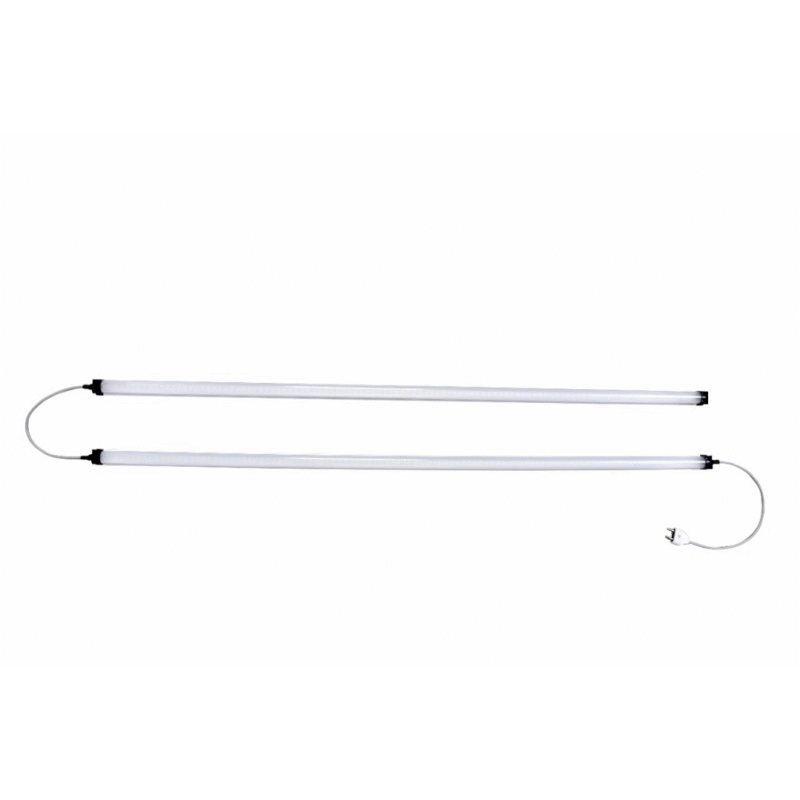
LED Grow Lights
LED grow lights are the most effective choice compared to fluorescent or halogen lights.
Why LEDs?
🌱 High energy efficiency
🌱 Long lifespan with low maintenance
🌱 Customizable light spectrum for plants
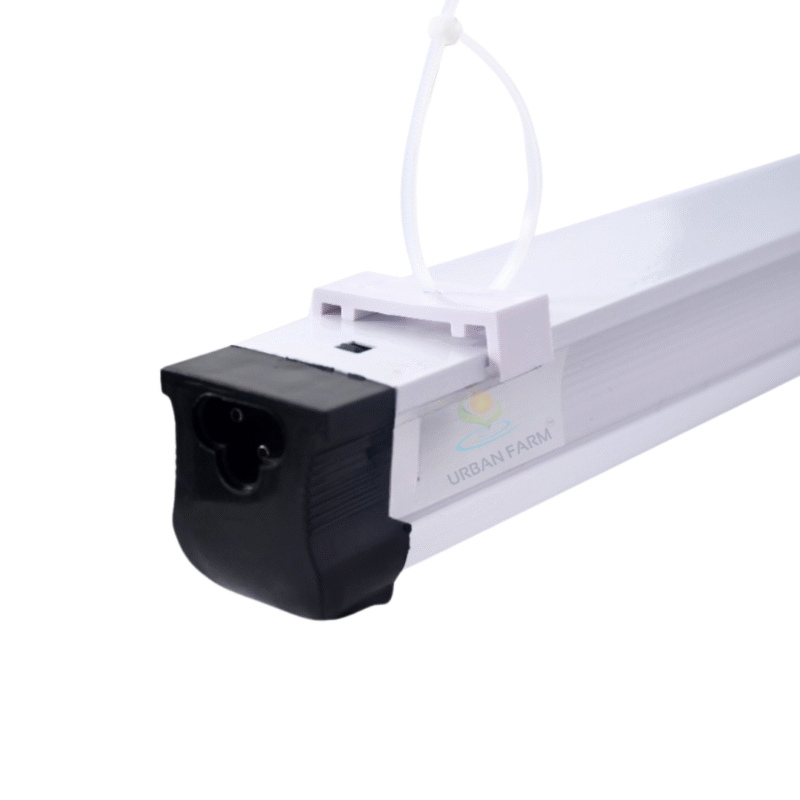
🌱 Slim and stylish fixture design that complements interiors
Fixture Design & Light Output
• Fixture Types – Should match the area’s interior. Slim, modern designs or concealed options work best in commercial and residential spaces.
• Lighting Output Color – Traditional grow lights often combine red and blue LEDs, making the output look pinkish. This is not suitable for interiors as it disturbs the natural plant view and reduces comfort due to low CRI value.
At Nexsel, we developed special spectra that look like warm white or cool white, offering:
• A broad spectrum similar to sunlight
• CRI value above 80 for natural plant appearance
• Comfortable lighting for human visual experience
Light Intensity & Plant Health
Light intensity depends on:
• Wattage of the light
• Distance from plants
For large plants, higher intensity is required. Proper design is critical as it affects:
• Plant growth and longevity
• Project cost
• Energy bills
• Lux level in interiors
This is where a grow light consultant plays a key role in balancing cost, efficiency, and plant needs.
Light Automation & Photoperiod
• Timers – Ensure automatic ON/OFF scheduling.
• Photoperiod – Plants generally need 8–10 hours of light and 6–8 hours of darkness daily.
• Dimming Options – Useful in areas where full darkness is not possible.
• Advanced Simulation – Modern systems can mimic sunrise and sunset by gradually adjusting intensity, improving plant growth cycles.
Applications of Artificial Light in Interior Plantscapes
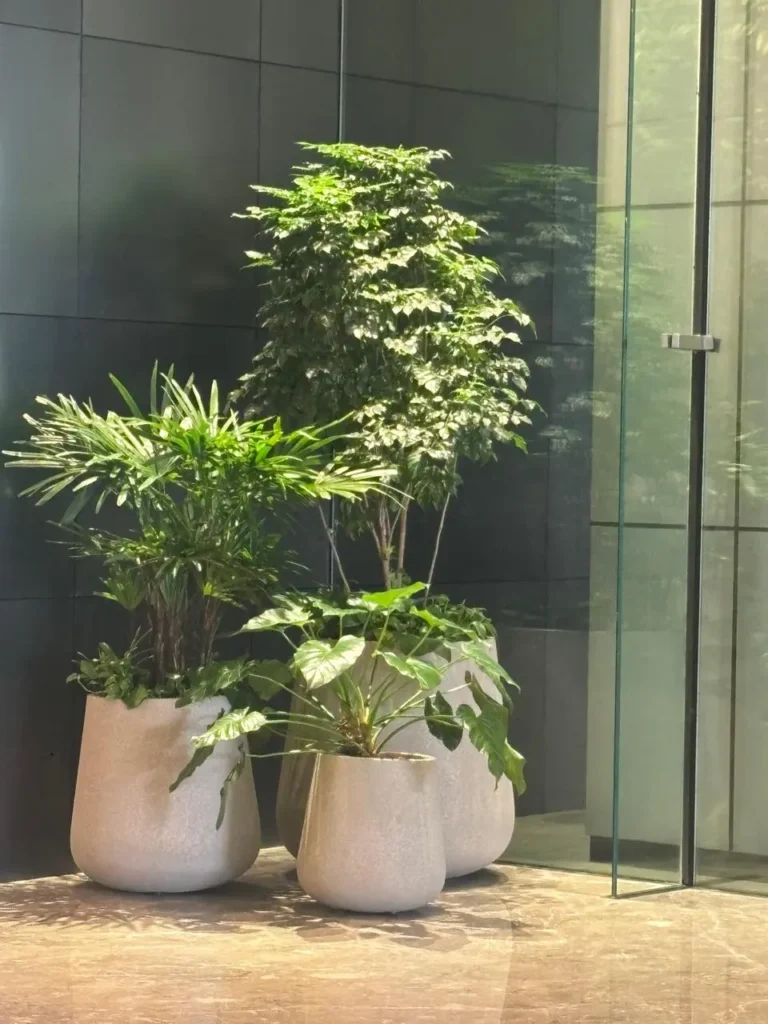
Artificial lighting enhances a wide range of interior projects:
• Corporate Offices – Desk plants, green walls, lobby installations
• Hotels & Restaurants – Indoor gardens and decorative plants
• Homes – Living rooms, balconies, kitchen gardens
• Wellness Spaces – Hospitals, spas, schools for biophilic design
• Airports – Plant installations across terminals and lounges
Conclusion
Artificial lighting is not just a substitute for sunlight—it is a core element of interior plant design. By considering growing area, ceiling height, roof type, plant species, and automation, you can achieve vibrant, healthy, and energy-efficient plantscapes.